Lemurs
a. Native to Madagascar in eastern rainforest
b. teeth optimized for leaf, seed fruit and insect eating. sometimes used for grooming
c. due to slash and burn agriculture lemurs limited to dense tree areas where leave, fruit, seeds and insects are plentiful.
summary: teeth are consistent with diet and lifestyle.
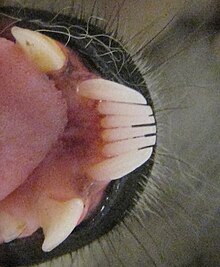
Spider Monkey
a. tropical forests of Central and South America
b. teeth shaped primarily eat fruits, but will also occasionally consume leaves, flowers, and insects
c. currently being hunted for food by local human populations. long tail and agility are useful for climbing trees and obtaining their primary source of food (fruits).
summary: teeth are consistent with diet and lifestyle.

baboon
a. African savanna and tropical rain forest
b. teeth shaped to eat fruits, grasses, seeds, bark, and roots, and meat
c. omnivorous diet called for both incisors to tear meat and bark, and molars to chew.
summary:teeth are consistent with diet and lifestyle.
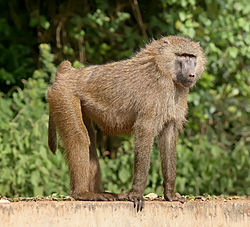
a. tropical and subtropical rainforests of southeast Asia
b. teeth shaped for eating fruit, figs, leaves, twigs, shoots, flowers, bird eggs and insects.
c. omnivorous diet.
summary:teeth are consistent with diet and lifestyle.

chimpanzee
a. Rain forests and wet savannas. Spends equal time on land and in trees
b. teeth mainly used to eat fruits, leaves, buds and blossoms.
c. has learned to use tools and diet consists of more vegetarian foods. canines have shrunk compared to ancestors.
summary: teeth have become flatter to become more efficient at eating fruits and plants.


