a. Dolphins and blue whales both have teeth
b. dolphin mainly eat fish while blue whales eat plankton. dolphin teeth are rigid and hard while blue whale teeth are more like bristles. this difference is due to the differences in their diets.
c. protocetus also had teeth
d.


a.Octopi and jellyfish both have tentacles
b.the tentacles of the both are used for aquireing food. however, octopi tentacles are covered with suckers while jellyfish tentacles are not. differences exist because octopi use tentacles and their mode of transportation and they also hunt stronger food. Tentacles are useful for obtaining food.
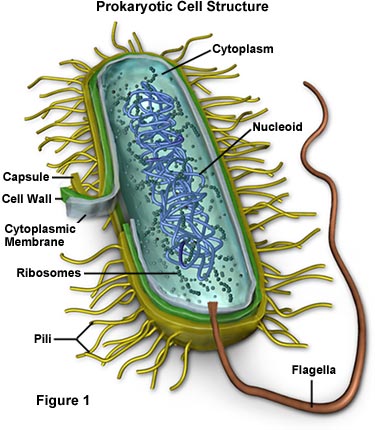
c.Bacteria, some bacteria have a small "feeler" called a flagella used to sense their surrounding and move.
d.



Your pictures showed your points well. Octopus and jelly fish both have tentacles and both are drastically different. They use them in very different ways. I really like the jellyfish picture. Good job.
ReplyDeleteI like how you used dolphins and blue whales in your homologous trait example. Although blue whales don’t technically have what we would call teeth, I can see how you would liken their baleen plates to them. Like teeth, they are used to help them eat. The only difference is that instead of crushing food like teeth, the blue whale’s baleen plates are only used to help them strain their food from the ocean water. Nice post.
ReplyDeleteI like how you drew attention to the key differences in the tooth (or tooth-like) structures but emphasized that the ancestor had the teeth and therefore they arose from a common source regardless of their different structure/function. That's the whole point of a homology.
ReplyDeleteI missed that point in your analogy discussion, though. Did the tentacles arise independently in the octopus and the jellyfish(as they would need to if they were analogies) or did their common ancestor also have tentacles?